
Active Volcano
One of Guatemala’s most active volcanoes with continuous lava flows and regular explosive activity.
Ancient History
Formed over 23,000 years ago through centuries of volcanic activity and geological evolution.
Accessible Location
Located just 30km south of Guatemala City, making it easily accessible for visitors worldwide.
About Pacaya
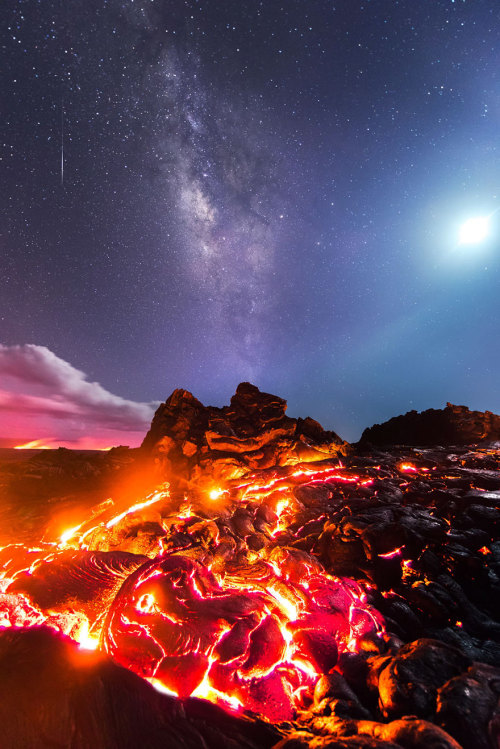
Pacaya is a complex basaltic stratovolcano that has been continuously active for over 500 years. Its unique geological composition and consistent volcanic activity make it one of the most studied volcanoes in Central America.
The volcano consists of an older edifice and a modern cone that has been built up through centuries of Strombolian and effusive activity. Its accessibility and predictable behavior have made it an ideal natural laboratory for volcanologists.
Geological Wonder
Pacaya represents one of the most accessible active volcanoes in the world, offering visitors a rare opportunity to safely observe ongoing volcanic processes.
Pacaya has shown increased activity levels in early 2025, with enhanced lava effusion rates, elevated gas emissions, and more frequent strombolian explosions compared to late 2024.
• Tourist access: Maintained with enhanced safety protocols
• Average daily SO₂ emissions: 2,800 tons/day (↑15% from 2024)
• Lava flow activity: Continuous on SW and SE flanks
• Seismic activity: 180+ events recorded in January 2025
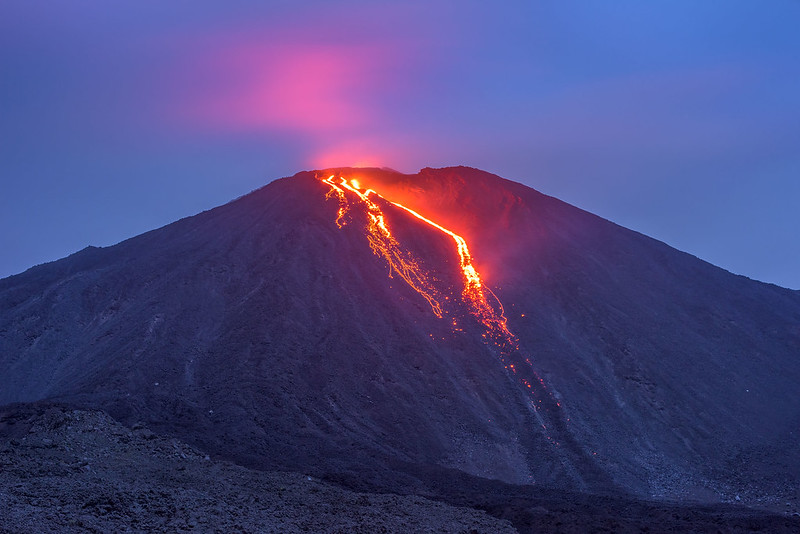
Last Major Eruption
2021
Strombolian eruptions, lava flows, ash plumes
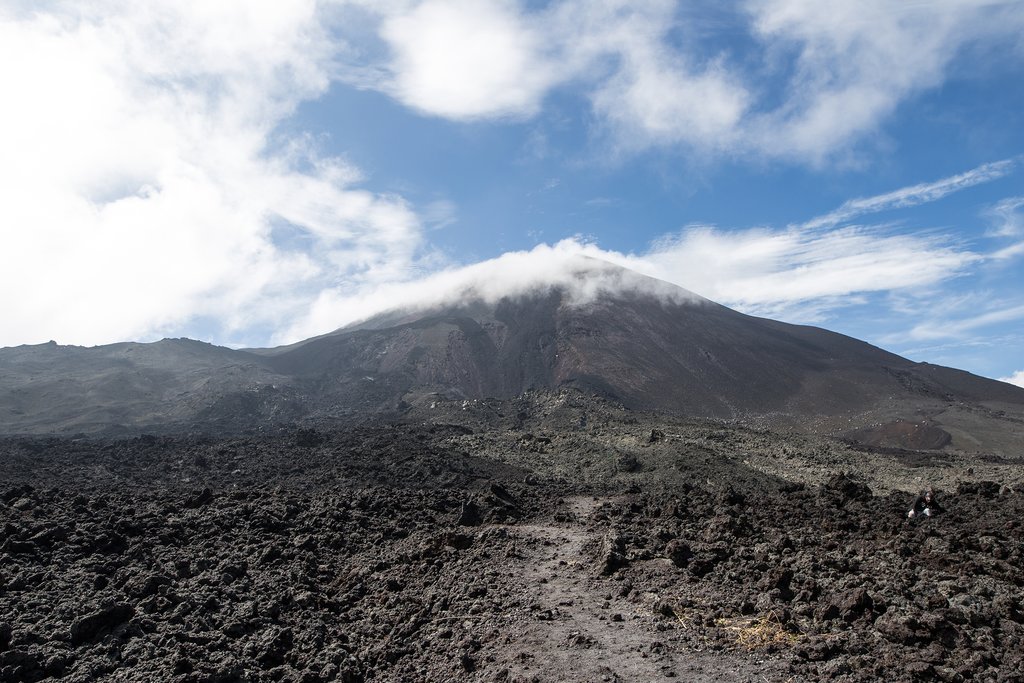
Status
Active
Continuous activity.
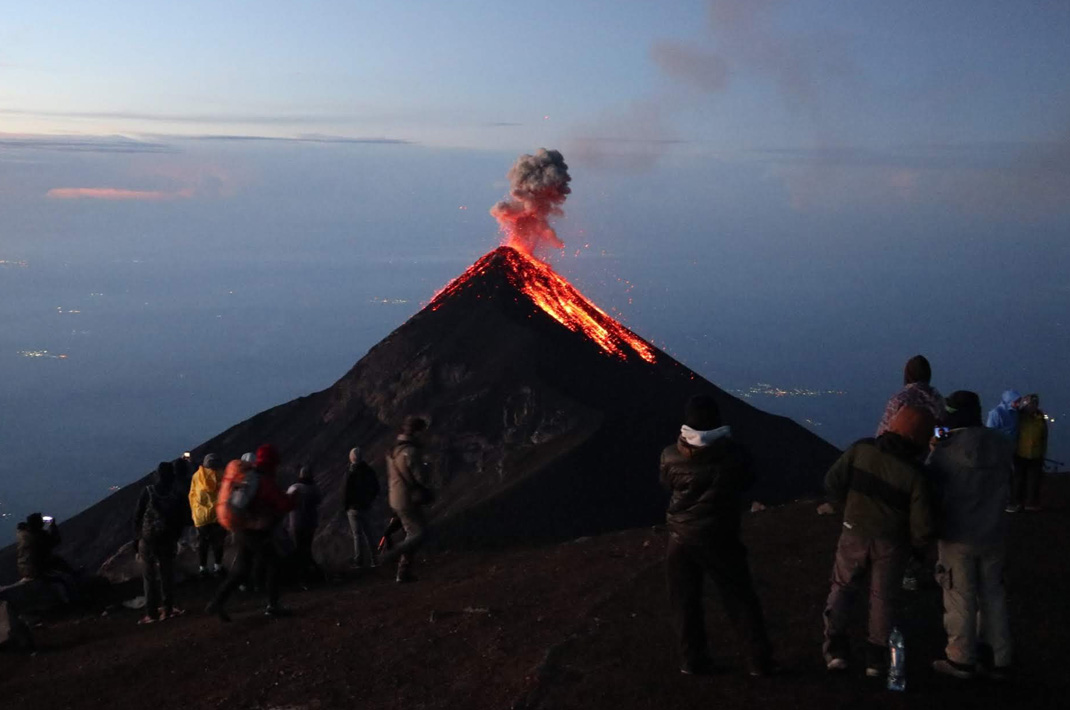
Elevation
2,552m
Above sea level.
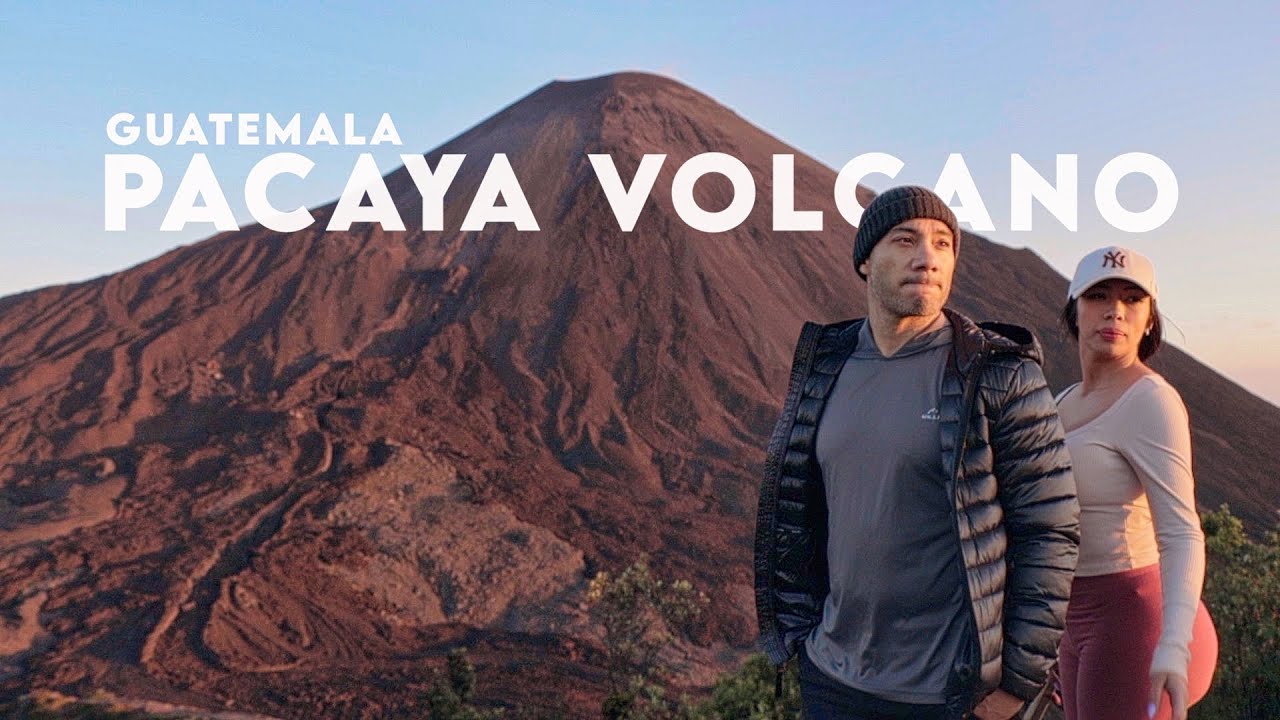
GUATEMALA Pacaya Volcano Hike
Experience the thrill of ascending one of Guatemala’s most active volcanoes, Pacaya. This incredible day trip offers a unique opportunity to witness the raw power of nature, traverse stunning volcanic landscapes, and even toast marshmallows over natural hot spots.
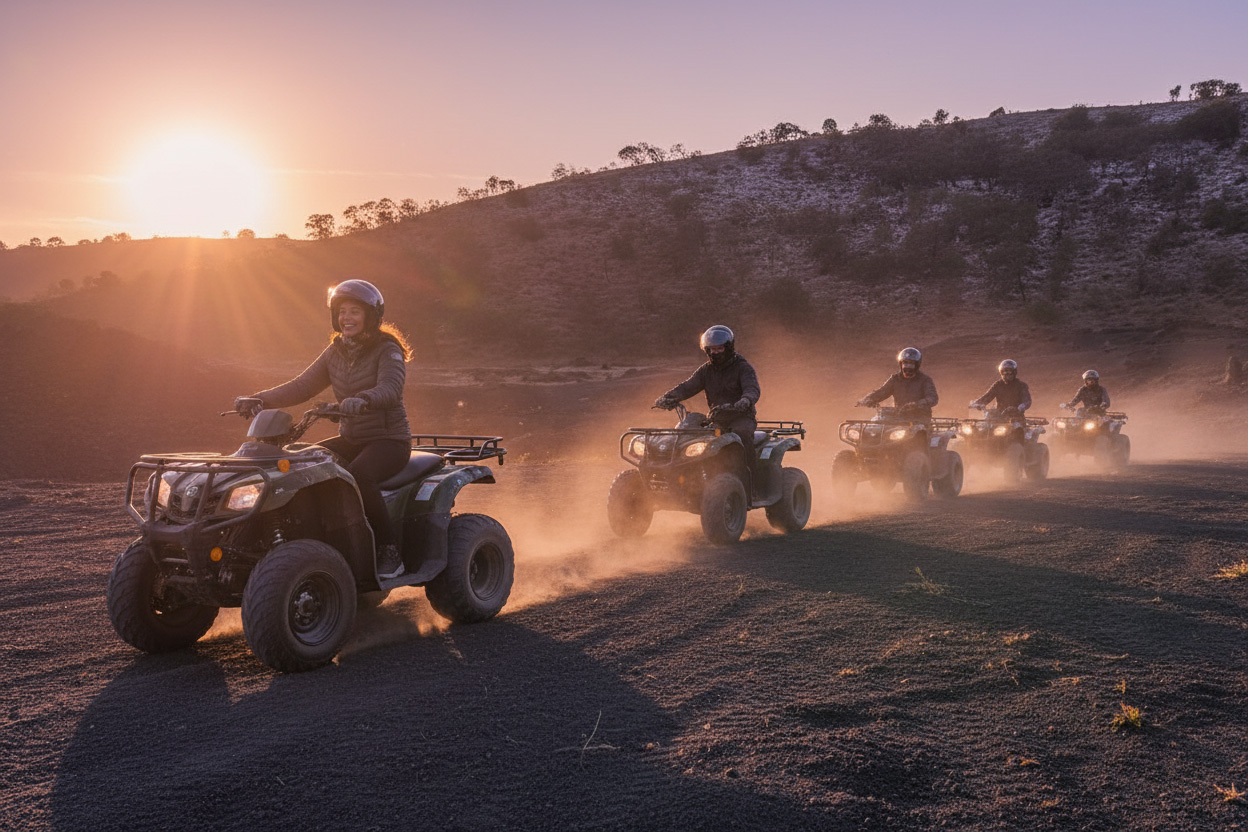
The Pacaya Volcano ATV Tour: A Must-Do Guatemala Adventure
Okay, you want the real story on the Pacaya ATV tour? Here it is. Forget the sanitized tour descriptions. This isn’t a gentle ride through the countryside. It’s a loud, bone-rattling, dust-in-your-teeth adventure that feels genuinely wild. It’s probably one of the best things I did in Guatemala. They grab you from Antigua, you ride…
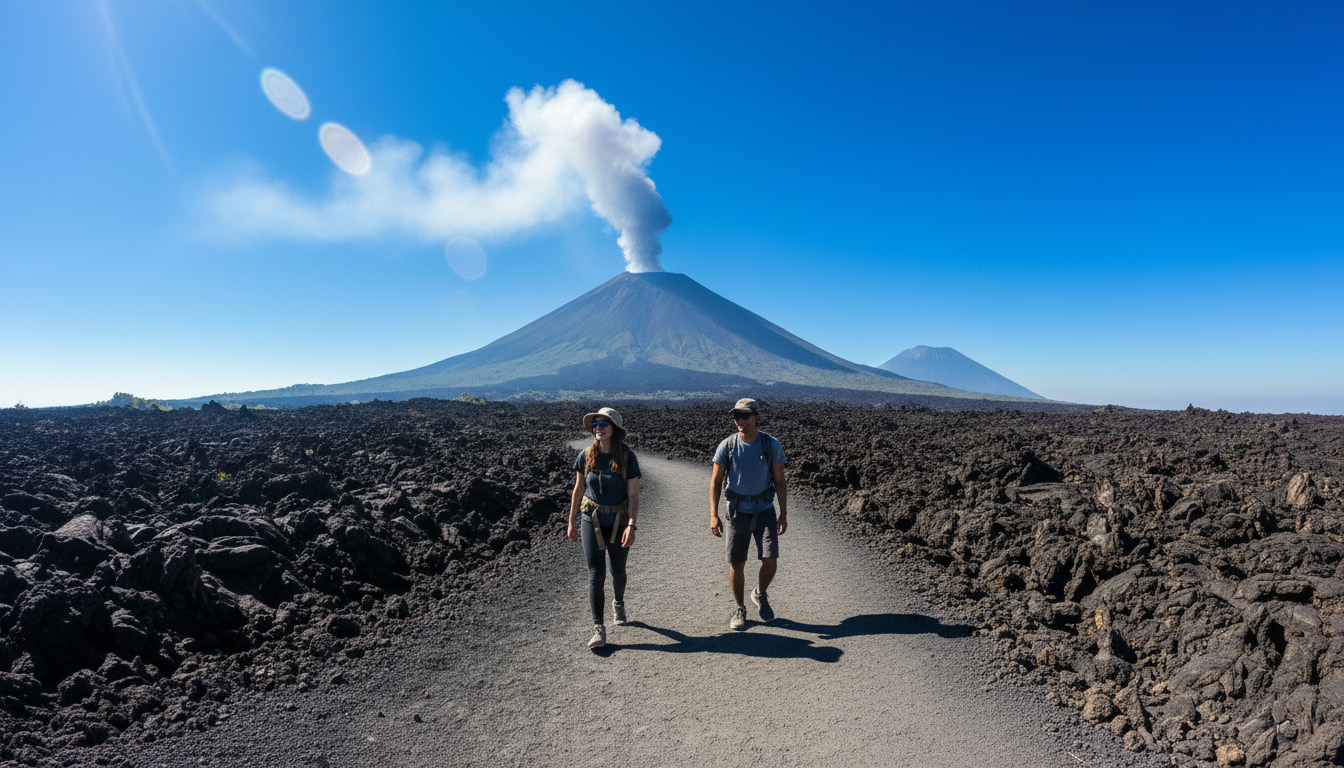
Is The Pacaya Volcano Worth It?
So, you’re in Antigua and everyone’s talking about climbing a volcano. It’s always Pacaya. Always. The big question is, should you actually do it? Is it worth it? Honestly, it depends. First, the logistics. Every tour agency in Antigua runs trips to Pacaya, usually with a 6 a.m. sunrise option or a 2 p.m. sunset…
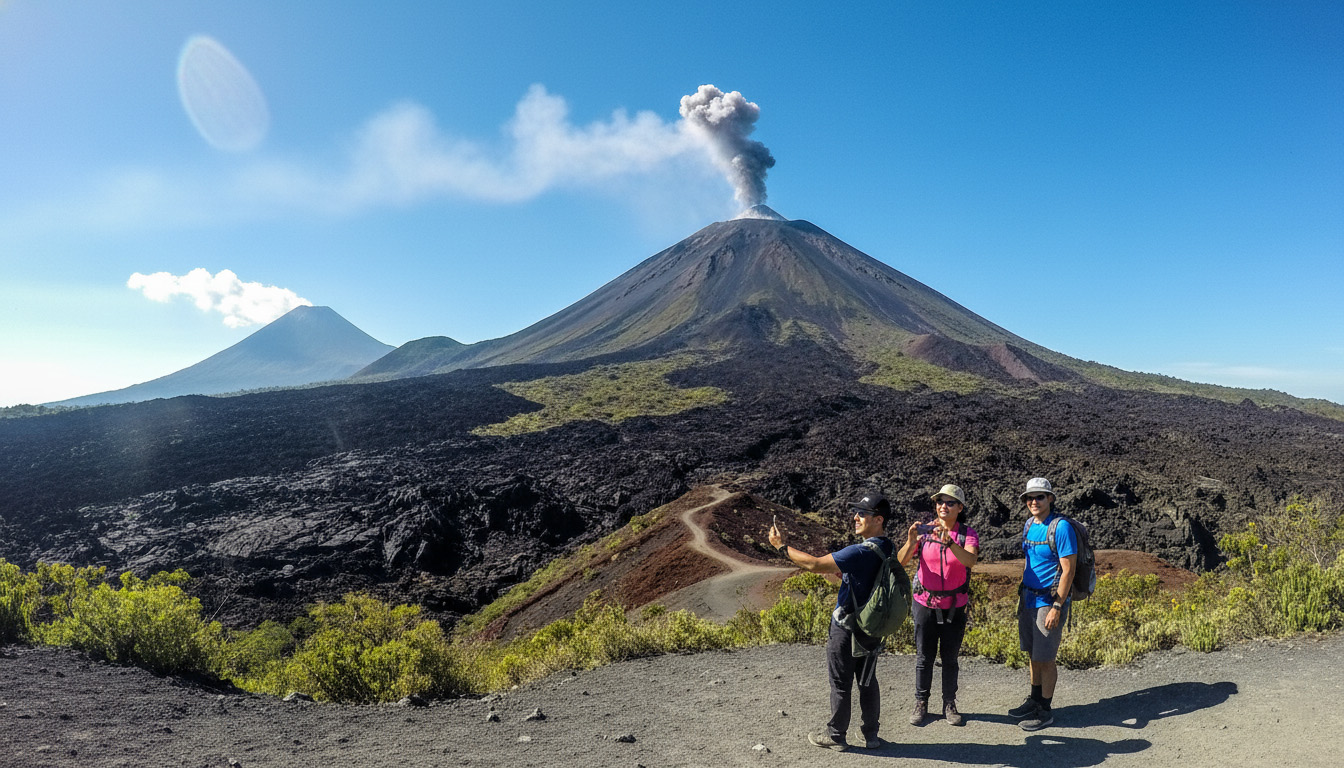
Glow Chasers: Hunting Lava in Guatemala’s Fiery Backyard — Pacaya, Fuego, and the Gut-Punch Thrill
God, Guatemala. Land of eternal spring, they say, but forget the bougainvillea and black-sand beaches for a sec. I’m talking the gut-twist of staring into a live vent, that orange pulse like the planet’s heartbeat skipping beats. Pacaya’s your gateway drug—sits there smirking south of Antigua, all craggy and casual about its Strombolian burps. But…
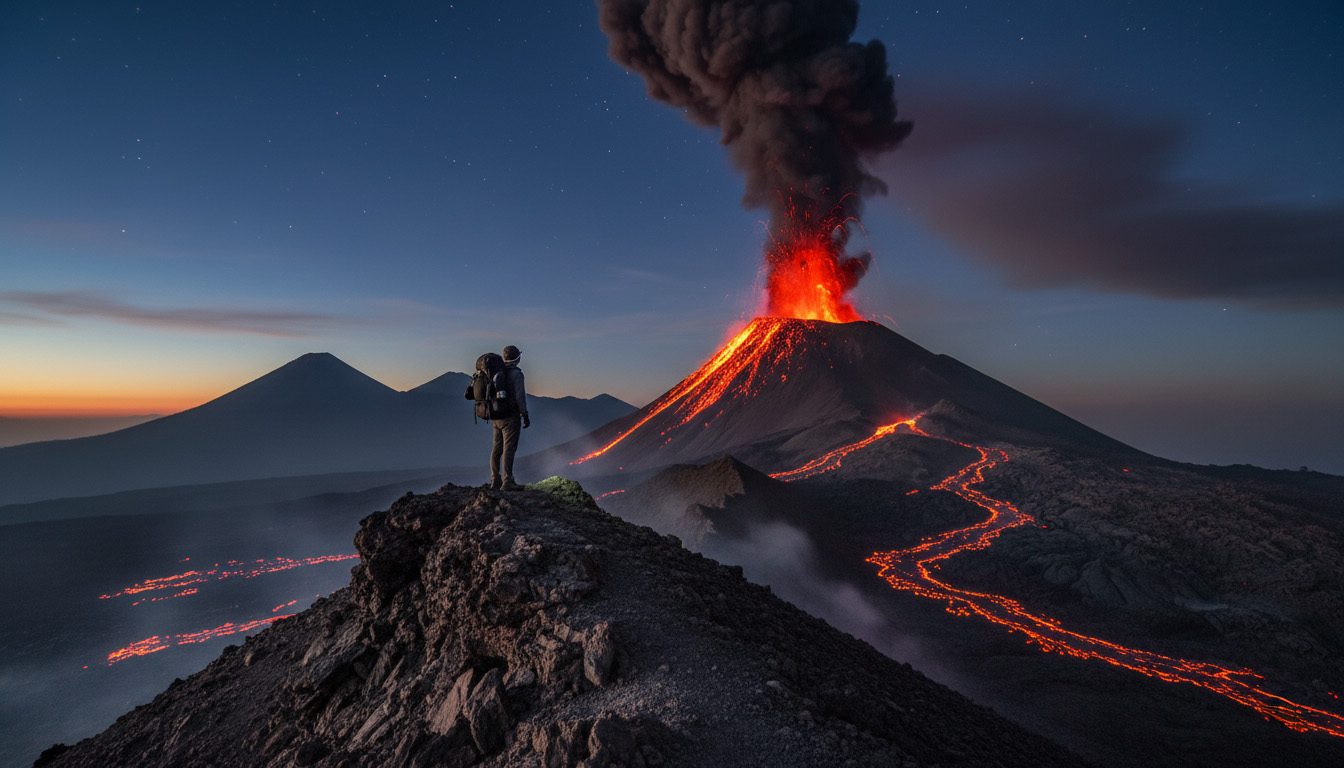
Pacaya’s Fire: Eruptions, Risks, and That Lingering Smoke
Man, Guatemala’s volcanoes don’t mess around. Pacaya’s this brooding giant south of Antigua, always rumbling like it’s got something to say. You stare at it from your rooftop cafe, wondering if today’s the day it throws a tantrum. And yeah, the questions hit hard—last blow-up? Still pissed off? Safe to scramble up there? Or should…
What to Bring
Clothing
• Hat and gloves
• Sturdy hiking boots
• Layered clothing
• Rain jacket
Equipment
• Camera
• Headlamp/flashlight
• Water bottle
• Snacks
Safety
• Emergency contact info
• Face mask (ash protection)
• Sunscreen
• First aid kit
Volcanic Activity
Current Activity Level
Moderate
Active strombolian activity with persistent lava flows and increased gas emissions
Last updated: October 18, 2025, 09:15 GMT
Seismic Monitoring
15 stations
Enhanced earthquake detection and real-time analysis network
Gas Emissions
SO₂: 2,800 t/day
Elevated sulfur dioxide output with continuous monitoring
Recent Activity of Pacaya Volcano in 2025
In 2025, activity has been elevated compared to late 2024, with increased lava effusion rates, higher gas output (primarily water vapor, sulfur dioxide, and carbon dioxide), and more frequent moderate Strombolian events. No major destructive eruptions have been reported this year, but ongoing unrest has prompted monitoring by Guatemala’s INSIVUMEH and occasional aviation alerts. Below is a summary of key events and trends up to October 21, 2025, based on reports from official sources and monitoring organizations.Key Trends in 2025
- January–August: Moderate Strombolian activity persisted, with explosions ejecting material up to 100–200 m above the crater rim. Small lava flows (up to 1–2 km long) were active on the SW and S flanks, occasionally reaching vegetated areas and causing minor fires. Gas plumes rose 300–500 m and drifted W and SW, with SO₂ emissions averaging 500–1,000 tons/day. Ashfall was minimal, affecting nearby communities like San Francisco de Sales sporadically.
- September: Unrest intensified slightly, with continued gas-and-steam emissions and weak Strombolian explosions. No significant lava flows were noted, but seismic signals indicated ongoing degassing.
- October (up to October 21): Activity remains at low-to-moderate levels, similar to September. A notable event on October 6 involved ash-and-gas columns rising several kilometers, visible from Guatemala City, but no evacuations or damage were reported. Monitoring shows stable unrest with no escalation.
Notable Events
| Date | Activity Description | Impacts/Alerts | Source |
|---|---|---|---|
| Early 2025 (Jan–Mar) | Enhanced lava flows (up to 3 km on S flank) and frequent Strombolian explosions; cone in Mackenney Crater partially destroyed, leading to fumarolic vents. Gas plumes drifted NW, causing light ashfall in San Vicente Pacaya. | Minor vegetation burning; Volcano Alert Level: Yellow (elevated). | Global Volcanism Program |
| April–June | Continued effusion from flank vents; new short lava flow (~250 m) from S of Cerro Chino on April 30. Explosions up to 150 m high. | No major impacts; routine monitoring. | INSIVUMEH bulletins |
| July–August | Stable Strombolian activity with plumes to 400 m; occasional strong explosions rattling structures nearby. | Aviation Color Code: Yellow; minor ashfall in Rodeo area. | VolcanoDiscovery |
| Sep 23–24, 2025 | Unrest with white-to-gray gas plumes rising 300 m, drifting SW. Weak explosions and low seismic tremor. | No alerts; normal tourism access. | INSIVUMEH via VolcanoDiscovery |
| Sep 25–26, 2025 | Similar unrest; vapor plumes to 400 m, occasional incandescent material ejected <100 m. | No changes in alert level. | INSIVUMEH via VolcanoDiscovery |
| Oct 6, 2025 | Eruption producing tall columns of smoke and ash (up to 2–3 km), likely from moderate Strombolian bursts. Visible from Antigua and Guatemala City. | No evacuations or damage; brief aviation advisory. | ABC News |
| Oct 7–21, 2025 | Ongoing low-level degassing and minor explosions; no new flows reported. Seismic activity stable. | Alert Level: Yellow; visitors advised to check updates before hiking. | Ongoing INSIVUMEH monitoring |
Current Status (as of October, 2025)
- Alert Level: Yellow (elevated unrest, potential for increased activity).
- Hazards: Ballistics within 1–2 km of summit, gas emissions affecting air quality in nearby villages, and possible short-lived lava flows on flanks. Tourism to the volcano (a popular hike) continues but with restrictions during high gas periods—hikers should use guides and helmets.
- Monitoring: INSIVUMEH reports daily via their website, with webcams showing persistent white plumes. No signs of imminent escalation, but historical patterns suggest possible short surges in effusion.
For real-time updates, check INSIVUMEH (insivumeh.gob.gt) or the Smithsonian Global Volcanism Program. If planning a visit, verify conditions with local authorities due to the volcano’s accessibility and frequent minor events.
four ocassions to visit pacaya volcano
The “Green Season” Transition (November)
The optimal time to hike Pacaya is in November, right at the start of the dry season. This period follows the rainy season, meaning the landscape is lush and vibrant. You’ll enjoy clearer skies and more pleasant hiking conditions, as the trails are less muddy. This “shoulder month” also allows you to avoid the larger crowds of peak tourist season.
A Golden Hour Spectacle (Sunset Tours)
For a truly magical experience, consider an afternoon or sunset tour. As the sun begins to set, the views from the volcano are often spectacular, offering a stunning panoramic of the surrounding landscape, including the nearby volcanoes of Agua, Fuego, and Acatenango. If you’re lucky, you might even witness the incredible sight of the Fuego volcano erupting in the distance as dusk settles. The changing light of the golden hour provides a breathtaking backdrop for your hike and the quintessential marshmallow roast over volcanic heat vents.
During a Period of Heightened (but Safe) Activity
Pacaya is one of Guatemala’s most active volcanoes, with its last major eruption in 2021. While safety is paramount and tours are only conducted when conditions are deemed secure by local authorities, planning your visit during a time of increased (but safe) volcanic activity can be exceptionally rewarding. This could increase the chances of seeing glowing lava flows, especially on a sunrise or overnight tour where the colors pop against the dark sky.
To Coincide with Antigua’s Vibrant Festivals
Combine your volcanic adventure with a deep dive into Guatemalan culture by timing your visit with one of Antigua’s famous festivals. Located just a 1 to 1.5-hour drive from Pacaya, Antigua is a hub of cultural celebrations.